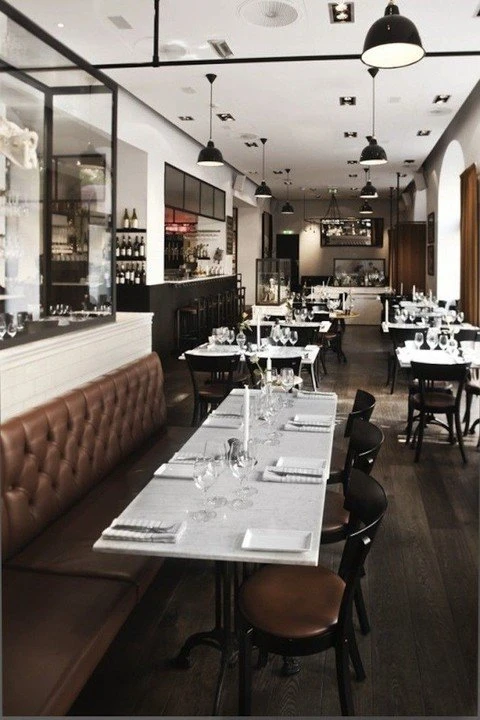

Further to my recent article ” Top 10 Restaurant Startup Errors”, the most relevant error is No. 1. Avoiding the business plan, I was requested by a few of the readers as to how to write the business plan. I hope the below can assist.
Creating a business plan may sound scary and a waste of time now, but in the long run, it will allow you to work smarter and plan for your future instead of living off the cuff. Who will see the business plan can determine how detailed it needs to be. If the plan is for your purposes, it can be only one or two pages. It must be more detailed if you seek investors or outside financing, with more research and numbers to back you up.
3 Poor Excuses Not to Write a Business Plan
- Writing a business plan sounds like something other than fun. I can’t wait to work on all the other aspects of setting up shop, like choosing the small wares, hiring employees, and writing a menu.
- Writing a business plan is just going to slow me down. If I work on creating a business plan, I may find out that my plan doesn’t pass the “smell test.” What if I put it down on paper and find out if the numbers don’t add up?
- A business plan takes research, writing skills, and knowing mathematics. I could have been better in school, and this stuff bores me. I am getting into the restaurant business because I am good at cooking but need to improve at this educational stuff.
Research shows that having a business plan positively impacts your success, but the added benefit is that you feel more control. If you seek financing for your business, you will have no choice but to create a business plan, but I recommend it.
How to Write A Business Plan
Simple One Page Plan
This plan is for personal use and lets you think clearly about the business and its framework. In essence, it allows you to put your thoughts together. The one-page business plans should include:
- Commonly called an elevator pitch, it is a summary or description of your business.
- Who is your target market?
- What your atmosphere and menu will be like?
- What services you will be providing?
- Hours of operation, how many customers you will serve daily, and expected revenue.
- Staffing and management needs
- Marketing strategy
Formal Business Plan
This plan is used when you must clearly show potential investors, business associates, or banks the opportunity your business brings to them. Below is an outline of what you must include in a formal business plan.
There are many online sources to purchase templates to make your job much easier. You can also find templates for employee handbooks, restaurant job descriptions, start-up checklists, and more.
Business Plan Outline
Business Plan Cover
The cover of your business plan should have your restaurant name and, ideally, your logo. It should also have your name, date, and contact information.
Executive Summary
Although this will be at the beginning of your business plan, the Executive Summary should be written after the rest of the plan is completed. It should summarise all the other components of the plan that follow. It should be written in a narrative style and tell a story. Keep it brief because the details will be fleshed out in outlined sections.
Confidentiality Statement
To ensure you are protected from theft of your idea, it is a good idea to put in a confidentiality clause that can read something like this, or you can find them easily online.
This agreement is to acknowledge that the information provided by your company in this business plan is unique to this business and confidential; therefore, anyone reading this plan will not disclose or distribute any of the information in this business plan to a third party without the express written permission of your name.
Introduction
Here, you will introduce the name and the concept. If you are looking for investors or financing, you must state what the money you seek will be used for.
Organisation
In this section, you will briefly describe the type of organisation it is, including its name, whether it is a Limited Liability, sole proprietorship, partnership, or private corporation. There should be a brief description of the partnership and percentages owned if there is more than one owner.
Location and Description of Space
Is it free-standing? Is it in a strip mall? Do you own or lease? Describe the community. If you do not have a definite location yet, describe what you are looking for and your plan on leasing or owning property.
Give a brief overview of the estimated money you will need to get opened and how you plan on funding it. Once again, you need not go into detail because your projections will be detailed in detail later. It is nice to include a little two-column table including your Source of Funds and the Amount each will be contributing.
Funding
This will include the details on how much money it will take to open the restaurant and get it off the ground and where that money will be coming from.
Financial Projections
In this area, you will estimate the revenue the restaurant will generate during start-up and for the next three years. It is important that you use realistic numbers. Lenders will carefully look at these projections, and you may need to explain how they were determined. Lenders need to see that you will generate enough income to pay them your vendors and still turn a profit. The projections are made in the form of a spreadsheet that combines an income statement and projected cash flow.
Concept Description
Here, you want to describe what your restaurant is like visually. You will talk about the décor, atmosphere, style of service, seating capacity, menu, hours of operation, and whether you are serving breakfast, lunch, dinner, or late night. You will also include whether you plan on doing take-out, delivery, or catering and if you plan to sell retail items such as tee shirts or branded items.
Sample of Menu
This can be a partial menu, but it should give a good idea of what you are offering and how it fits into the concept you described in your business concept.
Design and Layout
This would include floor plans, architectural drawings, and/or artist renderings of your concept. They say, “A picture is worth a thousand words,” and being visual can help you sell your concept or have a clearer vision of what you are looking to design.
Market Analysis
In your market analysis, you are going to need to research and answer the questions below. The National Restaurant Association, state and local restaurant associations, and other online industry publications are great places to get the information. Remember, all this information will help you find out whether or not you have a feasible business or if you will have to tweak what you plan on doing. Make sure you reference where you got your statistical information from.
Trends
What are the emerging trends in the restaurant industry? Check websites for the National Restaurant Associations or similar sites to find this information.
Niche
Is my location suitable for my concept, and is my concept filling a niche not already in the market?
Who is Your Competition
You need to identify who in your local area is your competition. What are the strengths and weaknesses and what are the unique aspects of your concept that will give you an edge over each of them?
Workforce Outlook
How is the employment forecast in your area? Can you find the appropriate people to work for you?
Upcoming Challenges
According to the industry leaders and publications, identify possible challenges faced in the food service industry or maybe faced soon.
Target Market
Identify who your concept best appeals to and how that fits into your customer profile, preferences, and habits. What is the age you are targeting? Are you appealing to families, a business crowd, or college students? Are there tourism or any seasonal market elements to the business? Who lives around the area?
Marketing Strategy
The biggest mistake you can believe is, “If I build it, they will come.” It simply WILL NOT happen. There are very few restaurants that can open their doors to instant success and those that do normally have a track record in another location or two.
Your marketing strategy prepares your business to be proactive rather than reactive, which causes you to always be a step behind those already prepared. A good marketing plan puts your business in control of itself and allows you to steer profits.
Customer Database
Explain how you are going to build and maintain your customer database.
Loyalty Programs
Describe how you are going to reward your guests and encourage repeat business. Describe how you will use your website and other social media avenues to attract new customers and stay in contact with those existing.
Community and Charitable
Involvement These opportunities provide great networking opportunities and build your name awareness.
Giving back to the community and sponsoring charitable events will build support for your restaurant and make you feel good. Figure out who you want to support and if it’s money, time, or resources you can contribute.
Decide whether some clubs or organisations will be beneficial to join, like chambers of commerce or, local restaurant organisations or networking groups.
Business Relationships
Determine what businesses will be beneficial in building a solid relationship to bring you customers. Are there hotels or a significant employer close by that can help direct customers your way? Could you identify each and make a plan for building a relationship that is beneficial for you both?
In-House Marketing
You should always be one step ahead when marketing the next holiday and upcoming events. Write down how you will advertise these in your restaurant, using signage, table tents, menu inserts, and your staff to market promotions and events.
Advertising
Do you plan on advertising? What forms will you use? You can opt to do print ads, television, or radio, or choose a more economical way.
Operations
This section will lay out your daily plan for running and operating your business. It will include how you are going to staff and each employee’s job responsibilities. You will also need to have systems in place for training new employees, standards in customer service, vendors and suppliers, food production, management, and administration. These guidelines and systems are important to guarantee the guest a consistent, positive experience.
Staffing
How many employees for each position you will need to be staffed, and what each position will fill? Creating a chart with each position, whether they are part-time or full-time, and the pay range is the best way to show this and can make it comprehensive and simple. You should also create a system for the interview process and create hiring standards. You need to be picky and get the right people.
Training
Outline the training programs your staff will undergo, training manuals you will provide, and any other training tools you will use or provide your staff with. Also, include any third-party programs you will use, such as alcohol awareness programs.
Daily Operations and Production
This is where you will write about how your restaurant will run from when you open until when you close on any given day. You will identify the hours of operation, who is scheduled to work and at what times, cleaning procedures, food and dining room preparation procedures, and ordering and receiving procedures.
Customer Service
Describe your policies on handling customers’ complaints and what systems you will implement to gain customer feedback. Talk about establishing customer comment cards, surveys, or mystery shoppers. Describe the culture and attitude that you will expect from your employees and how you will measure their success.
Vendors
List the suppliers you are going to use for the items you will buy on a regular basis.