
For years, I’ve been fascinated by the history of where restaurants began, and throughout my time in the industry, I’ve witnessed countless changes, adapting and evolving alongside them to remain competitive, satisfy customers, and embrace new technologies and trends. It’s become second nature to stay ahead of the curve, but now, as I plan the development of a new concept, I’ve found myself reflecting more deeply on the origins of cuisines, how they’ve evolved over time, and what the future holds.
This curiosity led me down a path of research, uncovering the rich and intricate history of dining, which I thought would be worth sharing. The history of restaurants is a fascinating journey that intertwines with the evolution of human civilisation, culture, and commerce. To truly understand the origins of restaurants, we must first look back at the culinary traditions that laid the groundwork for communal dining and the concept of eating outside the home. From the ancient civilisations of Greece, Rome, Arabia, and China to the modern-day dining experience, the story of restaurants is one of innovation, social change, and globalisation.
Pre-Restaurant Times: The Roots of Cuisine
Long before the concept of restaurants existed, food was deeply tied to culture, geography, and social structures. Ancient civilisations developed unique culinary traditions that would later influence the global dining landscape.
In ancient Greece, communal dining was a cornerstone of social life. Symposia, or drinking parties, were gatherings where men discussed philosophy, politics, and art over food and wine. Similarly, in ancient Rome, thermopolia, small shops that served hot food and drinks were common. These establishments catered to those who did not have cooking facilities at home, offering a glimpse into the early idea of eating out.
China boasts one of the oldest culinary traditions in the world. During the Tang Dynasty (618–907 CE), tea houses and food stalls became popular, serving travellers and locals alike. By the Song Dynasty (960–1279 CE), urban centres like Kaifeng and Hangzhou were bustling with food vendors and eateries, offering a wide variety of dishes.
The Islamic Golden Age (8th–13th centuries) saw the rise of sophisticated culinary practices in the Arab world. Street food vendors and coffee houses became social hubs where people gathered to eat, drink, and exchange ideas. These establishments laid the foundation for the café culture that would later spread to Europe.
In medieval Europe, inns and taverns provided food and lodging to travellers. While these were not restaurants in the modern sense, they offered a place for people to eat meals prepared by others, marking an early step toward the restaurant concept.
The Birth of the Modern Restaurant
The term “restaurant” has its roots in 18th-century France. The word itself comes from the French verb restaurer, meaning “to restore.” It originally referred to a type of rich, highly flavoured soup or broth that was believed to restore health and vitality. These restorative broths were sold in establishments known as restaurateurs, which eventually evolved into the modern restaurant.
The world’s first true restaurant, as we understand it today, is widely credited to a man named Boulanger. In 1765, he opened a shop in Paris called Champ d’Oiseau, where he served a variety of dishes, including his signature pieds de mouton (sheep’s feet) in a white sauce. What set Boulanger apart was his decision to offer a menu with multiple choices, allowing customers to select their meals rather than being served a fixed menu. This was a revolutionary concept at the time.
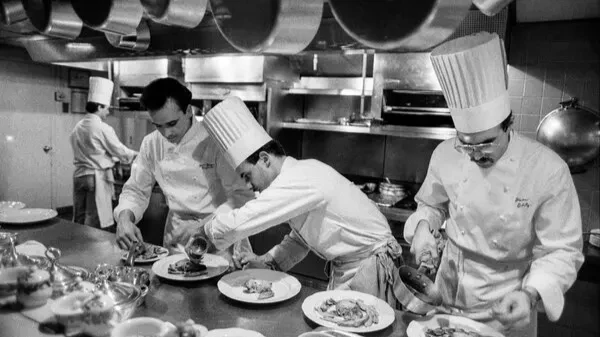
The French Revolution (1789–1799) played a pivotal role in the proliferation of restaurants. As the aristocracy fell, many skilled chefs who had worked in noble households found themselves unemployed. These chefs opened their own establishments, bringing haute cuisine to the masses. By the early 19th century, Paris was home to hundreds of restaurants, catering to a growing middle class with disposable income and a taste for fine dining.
The Evolution of Restaurants in the 19th and 20th Centuries
The 19th century saw the restaurant concept spread across Europe and beyond, adapting to local cultures and tastes. The Industrial Revolution further transformed dining habits, as urbanisation and the rise of the working class created a demand for affordable, quick meals.
Restaurants become symbols of sophistication and status. Establishments like the Café Anglais in Paris and Delmonico’s in New York City set the standard for fine dining, offering elaborate multi-course meals and impeccable service. These restaurants catered to the elite, emphasising luxury and exclusivity.
The late 19th and early 20th centuries saw the emergence of fast food. In the United States, the Automat, a type of cafeteria where customers could purchase pre-prepared meals from vending machines, became popular. Meanwhile, in Germany, the concept of the schnellimbiss (quick snack) laid the groundwork for modern fast-food chains.
Growing Up in Sydney’s Changing Food Scene
I recall growing up in Sydney, Australia, in the 1980s, where there was already a strong presence of European cuisines. Greek, Italian, and Spanish restaurants were among the first to flourish, thanks to the post-World War II migration waves that brought their rich cultures and culinary traditions to the country. My parents were part of this wave of migrants, and their journey, along with their passion for food, was ultimately what drew me into the industry. Watching them embrace their heritage while adapting to a new culture left a lasting impression on me, and it’s something I’ve carried with me throughout my career. These establishments became staples in the dining scene, offering a taste of the Mediterranean to Australians.
Then, in the late 1980s and early 1990s, I witnessed the emergence of Asian cuisines. Sydney’s Chinatown expanded, and suddenly, Vietnamese, Thai, and Indian restaurants began sprouting up everywhere, adding vibrant new flavours to the mix. This shift was a testament to the power of globalisation and ethnic cuisine in shaping the evolution of restaurants. As people migrated across the globe, they brought their culinary traditions with them, introducing new flavours and dining experiences to cities worldwide. This period also saw the rise of fusion cuisine, blending elements from different culinary traditions, creating exciting and innovative dishes that reflected the interconnectedness of our world.
The Modern Restaurant Industry
The 20th and 21st centuries have witnessed unprecedented changes in the restaurant industry, driven by technological advancements, changing consumer preferences, and globalisation. The mid-20th century saw the rise of fast-food giants like McDonald’s, Burger King, and KFC. These chains revolutionised the industry by offering standardised, affordable meals that could be prepared and served quickly. The fast-food model emphasised efficiency and consistency, appealing to a fast-paced, on-the-go lifestyle.
I remember arriving in London in the early 2000s and witnessing a restaurant boom unlike anything I’d seen before. The city was alive with new dining concepts, and restaurants seemed to be popping up and expanding at an incredible pace in what felt like an untapped market. While there were already plenty of eateries, many of the brands that dominate today were just beginning to make their mark. This era also marked the rise of casual dining brands, which began franchising globally or expanding as company-owned chains. It was what I would call the “good years,” as the valuation of restaurant multiples grew significantly.
During this time, we saw a shift in what made restaurants successful. Food was no longer the sole focus; ambience, entertainment, lighting, design, and other experiential elements began playing a crucial role in attracting and retaining customers. Restaurants became destinations where people sought not just a meal, but an entire dining experience. This evolution set the stage for the modern restaurant industry, where creativity and innovation extend far beyond the plate.
In recent decades, there has been a growing emphasis on sustainability and locally sourced ingredients. The farm-to-table movement, which prioritises fresh, seasonal, and locally grown produce, has gained traction, particularly in fine dining establishments.
The advent of the internet and smartphones has transformed the way people dine out. Online reservation systems, food delivery apps, and review platforms like Yelp have made it easier than ever for consumers to discover and order from restaurants. Virtual kitchens, or “ghost restaurants,” which operate solely for delivery, have also emerged as a significant trend.
The restaurant industry has always been one of adaptation, but in recent years, the emergence of new technologies and rising operating costs have pushed innovation to the forefront. Restaurants have embraced these advancements to streamline operations, improve efficiency, and reach a wider audience through targeted marketing. From contactless payment systems to AI-driven customer insights, technology has become an essential tool for staying competitive. These innovations have not only helped businesses operate more effectively but have also allowed them to connect with diverse demographics, ensuring they remain relevant in an ever-changing market. This shift has proven that the industry is not just about keeping up with trends but also about leveraging technology to create smarter, more sustainable ways of doing business. For those interested in diving deeper into this topic, I’ve written several articles on technology in the restaurant industry, which I believe would be worth a read for anyone looking to understand its transformative impact.
The Future of Restaurants
As we look to the future, the restaurant industry is poised for further evolution. Trends like plant-based dining, personalised nutrition, and immersive dining experiences are gaining momentum. At the same time, the industry must grapple with challenges such as labour shortages and rising food costs. These factors are driving innovation and pushing restaurants to find creative solutions to remain competitive and meet the ever-changing demands of consumers. The focus is increasingly on delivering unique experiences, efficient operations, and high-quality offerings that resonate with a diverse and discerning audience.
Advances in technology, such as AI-driven menu recommendations and robotic kitchen assistants, are likely to play a larger role in the dining experience. While these innovations can enhance efficiency, they also raise questions about the future of human labour in the industry.
As the world becomes more interconnected, the exchange of culinary traditions will continue to enrich the global dining landscape. Fusion cuisine, pop-up restaurants, and food festivals will provide opportunities for chefs and diners to explore new flavours and ideas.
The Bottom Line
The history of restaurants is a testament to humanity’s enduring love for food and community. From the ancient thermopolia of Rome to the bustling fast-food chains of today, restaurants have evolved to meet the changing needs and desires of society. As we move forward, the industry will undoubtedly continue to innovate, adapt, and inspire, ensuring that the joy of dining out remains a cherished part of our lives. Whether it’s a humble street food stall or a Michelin-starred fine dining establishment, restaurants will always be places where people come together to share not just a meal, but an experience.
#RestaurantHistory #FoodCulture #HospitalityIndustry #DiningEvolution #FutureOfFood