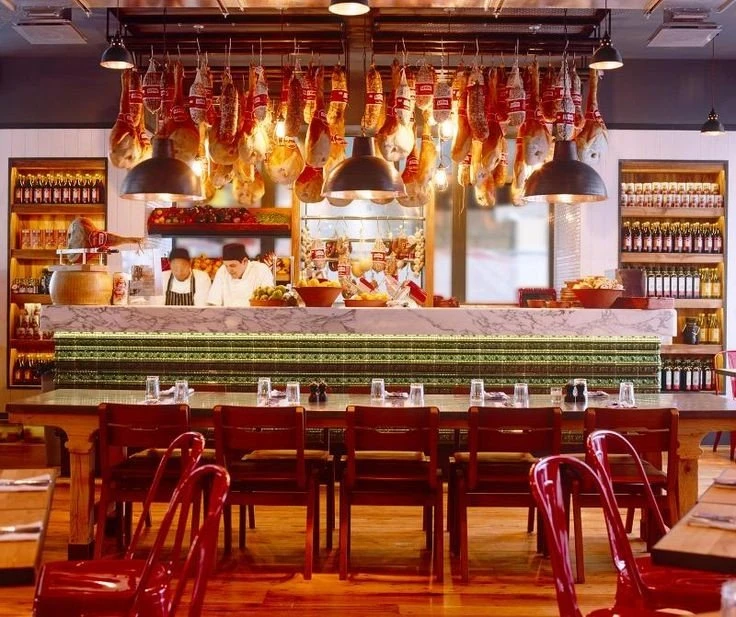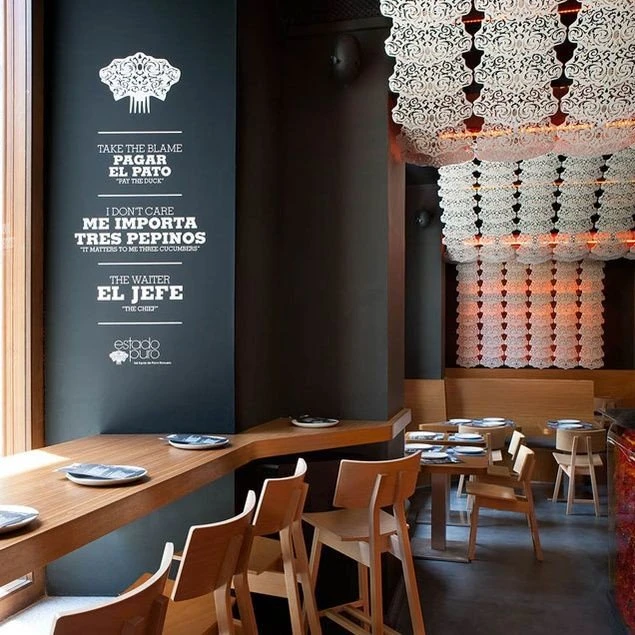

After more than three decades in hospitality, I can confidently say this: the success of a restaurant no longer hinges on the food alone. Today, interior design plays a critical role in shaping customer perception, influencing dwell time, and ultimately driving revenue. A beautifully designed space is no longer a luxury, it’s a business necessity.
Understanding Who You’re Designing For
Effective design begins with understanding your audience. This may sound obvious, but it’s a step too many operators rush past. The interior should reflect the preferences, expectations, and behavioural patterns of your core customers.
- If your target market skews younger, the environment should reflect vibrancy, energy, and style. Bold colours, trend-forward furnishings, and integrated digital elements can help deliver the kind of social, shareable experience that younger diners expect. Music, lighting, and spatial layout should all work in tandem to reinforce that energy.
- For a more mature or executive clientele, tone it down. Discretion, comfort, and elegance are paramount. Think warm, muted palettes, tactile materials, and furniture that conveys understated luxury. Booth seating, acoustic control, and thoughtful zoning allow for private conversations and create a more intimate dining environment.
Comfort and Practicality Still Reign Supreme
Regardless of your concept or customer base, some fundamentals remain unchanged. Comfort and practicality cannot be compromised.
- Tables and chairs must be appropriately sized and positioned to balance covers with comfort.
- Flow of service should be seamless for both guests and staff.
- Seating should offer support and be designed with the average dwell time in mind.
Put simply, guests will not return if their experience is physically uncomfortable, no matter how good the meal was.
Strategic Design as Cost Control
Beyond aesthetics, great design can significantly impact the bottom line. A well-planned layout and specification list can yield meaningful operational savings. These include:
- Fit-for-purpose equipment: Only specify what is essential for the menu. Unused or over-specified equipment wastes capital and space.
- Consolidated plumbing: A smart designer will group sinks, dishwashers, and wash stations to minimise the number of plumbing points this alone can save thousands during build-out.
- Energy efficiency: Choose kitchen equipment that reduces ongoing costs, low-energy hoods, refrigeration, and ware washing units can make a marked difference in utility bills.
- Alternative finishes: Not every surface needs to be premium. Durable, cost-effective finishes can deliver a high-end feel without exhausting the budget.
Making Furniture Work for You
Furniture can either anchor your entire design or play a supporting role. The decision should be deliberate. Is your furniture meant to create the visual identity of the space, or does it simply need to complement a broader design vision?
And finally, don’t underestimate the value of external perspective. An experienced, independent consultant can offer a fresh, unbiased lens and help avoid costly missteps in both layout and specification.
The Bottom Line: Design is not just about looks, it’s operational, emotional, and financial. In today’s competitive market, your interior must speak the same language as your food: considered, compelling, and commercially sound.